

Trees add significant value to Melville properties by creating shade, improving outdoor spaces, and enhancing the overall appearance of residential and commercial landscapes. However, not every tree remains safe orhealthy forever. As trees age, become damaged, or develop structural problems, they may start creating risks that require professional attention.
Knowing when to call for tree removal in Melville help prevent property damage, safety hazards, and costly problems. While some trees can be managed through maintenance or pruning, others may require complete removal when they become unstable or unsafe.
In this guide, we’ll explore five important warning signs that indicate a tree may need removal and why professional assessment is essential before making a decision.
Why Tree Removal Requires Careful Assessment
Tree removal is not always the first solution. A healthy tree with minor issues may benefit from regular maintenance, trimming, or structural pruning. However, trees with serious damage or instability can become dangerous if left unmanaged.
A professional assessment considers factors such as:
- Tree health and condition
- Structural stability
- Location and surrounding hazards
- Potential impact on buildings or property
- Council requirements and approvals
For homeowners unsure whether a tree should be removed, professional advice from experienced tree removal Melville experts can help identify the safest option.
5 Warning Signs You May Need Tree Removal
1. The Tree Has Severe Structural Damage
One of the biggest indicators that a tree may need removal is significant structural damage. Cracks, splits, cavities, or major trunk defects can weaken the tree and increase the risk of failure.
Structural issues may develop because of:
- Storm damage
- Age-related decline
- Previous damage
- Decay or disease
- Environmental stress
A tree with compromised structure may not be able to withstand strong winds or changing weather conditions, making it a potential hazard near homes, driveways, or outdoor areas.
2. The Tree Is Dead or Rapidly Declining
Dead trees are one of the clearest signs that removal may be necessary. Once a tree dies, it begins losing strength and can become increasingly unstable over time.
Signs of a declining tree include:
- Large sections of dead branches
- No new growth during active seasons
- Peeling or damaged bark
- Fungal growth
- Weak or brittle branches
A dead tree located near your home or high-traffic areas can become a serious safety concern. Arranging an inspection early can help prevent unexpected failures.
3. The Tree Is Leaning or Showing Root Problems
A leaning tree does not always mean immediate danger, but a sudden change in position can indicate underlying issues with the root system or soil stability.
Potential root-related warning signs include:
- Exposed roots
- Cracked soil around the base
- Raised ground near roots
- Tree movement during wind
Roots provide stability, and when they are damaged, the entire tree may become more vulnerable. Professional inspection can determine whether removal or another solution is required.
4. The Tree Is Too Close to Structures or Services
A tree may become a problem when it grows too close to buildings, fences, pathways, or essential services.
Common issues include:
- Branches contacting roofs
- Roots affecting foundations
- Damage to driveways or paving
- Blocked access areas
- Interference with powerlines
In these situations, removal may be recommended if the tree cannot be safely managed through pruning or other maintenance methods.
Homeowners can also explore tree pruning solutions where selective maintenance may reduce risks while preserving the tree.
5. The Tree Has Become a Risk During Storms
Storms can quickly reveal hidden tree problems. Weak branches, unstable trunks, and damaged roots can cause trees to fail during high winds or severe weather.
After a storm, homeowners should check for:
- Broken limbs
- New cracks
- Exposed roots
- Sudden leaning
- Hanging branches
If a tree has suffered significant storm damage, arranging professional assessment can help determine whether repair is possible or whether removal is the safer option.
Tree Removal vs Tree Maintenance: Which Option Is Right?
Many homeowners assume removal is the only solution when a tree has problems. However, professional advice can help determine whether maintenance may be enough.
Tree maintenance may include:
- Branch reduction
- Deadwood removal
- Canopy management
- Structural pruning
However, trees with serious structural concerns may not be suitable for long-term retention.
A qualified arborist can assess the condition of your tree and recommend the most appropriate approach. Professional arborist services provide valuable guidance before making major decisions.
Do You Need Approval Before Removing a Tree in Melville?
Before removing a tree, homeowners should consider whether local regulations apply. Certain trees may have protection requirements depending on species, size, location, or environmental importance.
Tree removal considerations may include:
- Council approval requirements
- Protected tree regulations
- Arborist reports
- Development requirements
Understanding these requirements helps ensure tree work is completed correctly and avoids potential compliance issues.
Why Professional Tree Removal Is the Safer Choice
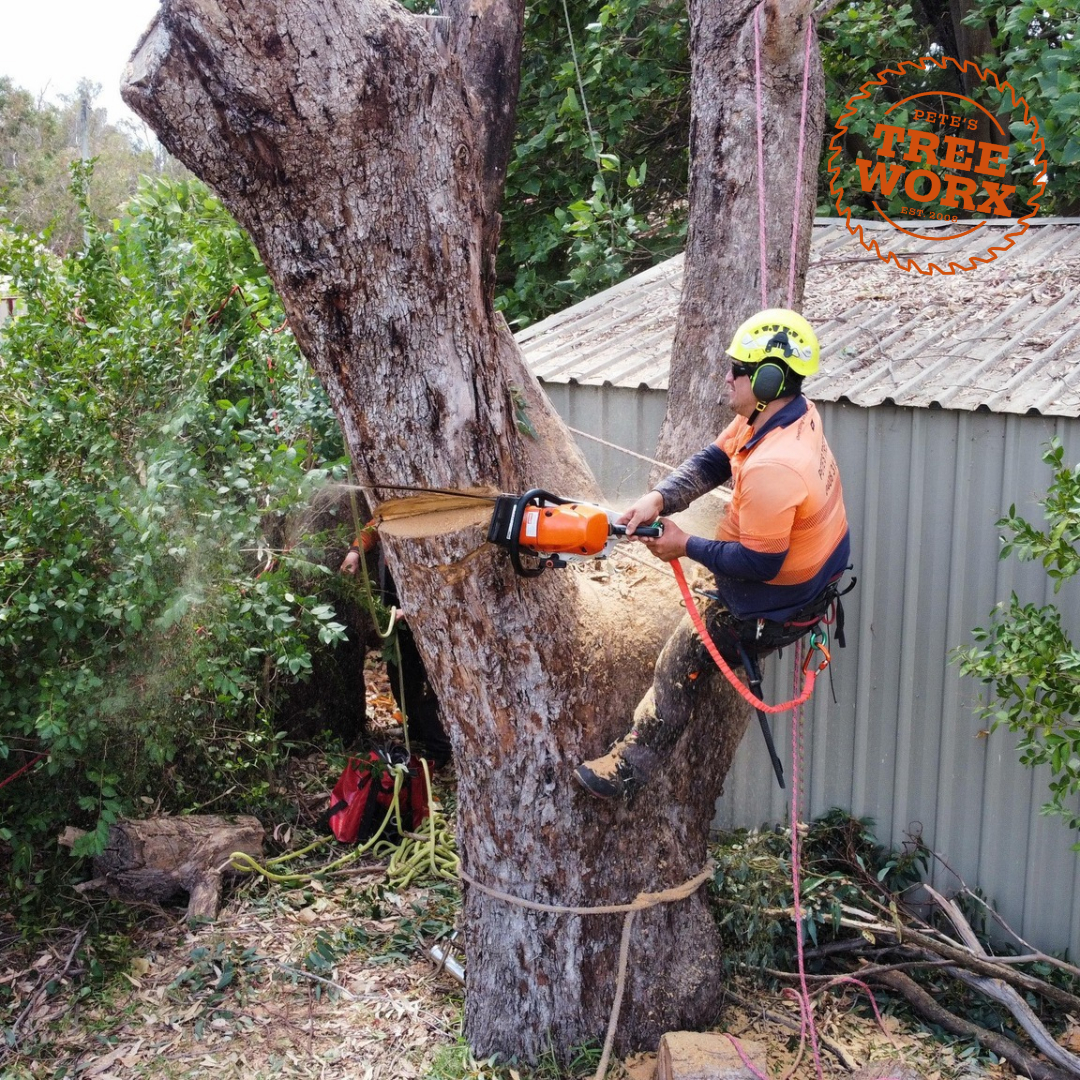
Removing a large tree involves risks that are difficult to manage without the right experience and equipment. Trees can weigh several tonnes, and even small mistakes can result in property damage or injury.
Professional removal involves:
- Detailed risk assessment
- Safe removal planning
- Specialised equipment
- Controlled dismantling
- Complete cleanup
Choosing professional tree removal Melville services helps ensure your property is protected throughout the entire process.
Other Tree Services That Support Safer Properties
Tree removal is only one part of maintaining a safe and attractive landscape. Ongoing tree care can help prevent future issues and keep trees healthier for longer.
Professional tree services may include:
- Tree inspections
- Pruning and maintenance
- Tree risk assessments
- Tree removal
- Branch management
For properties with overgrown or difficult trees, tree lopping services may also help manage unwanted growth and improve safety.
You can also explore our tree services for professional support with your residential or commercial tree needs.
FAQ: Tree Removal Melville
How do I know if a tree needs to be removed?
A tree may need removal if it is dead, unstable, severely damaged, diseased, or creating a safety risk around your property.
Can a damaged tree be saved?
Some damaged trees can be maintained with pruning or care, but severe structural damage may require removal.
Is tree removal safe to do myself?
Large tree removal should always be handled by professionals because of the risks involved with heavy branches, equipment, and unstable structures.
Do I need council approval for tree removal?
Approval requirements depend on the tree and local regulations. A professional assessment can help confirm what is required.
What happens after a tree is removed?
After removal, the remaining stump and debris can be managed through additional services to prepare the area for landscaping or future use.
Book Professional Tree Removal in Melville Today
A dangerous or unhealthy tree should never be ignored. Recognising early warning signs allows homeowners to take action before a small problem becomes a major safety concern.
Pete’s Treeworx provides reliable tree removal services in Melville for residential and commercial properties. Our experienced team uses professional equipment and safe removal techniques to protect your home, landscape, and surrounding areas.
Contact Pete’s Treeworx today for expert tree removal Melville advice and professional tree services.
Phone: 0408 315 232
Email: info@petestreeworx.com.au
