

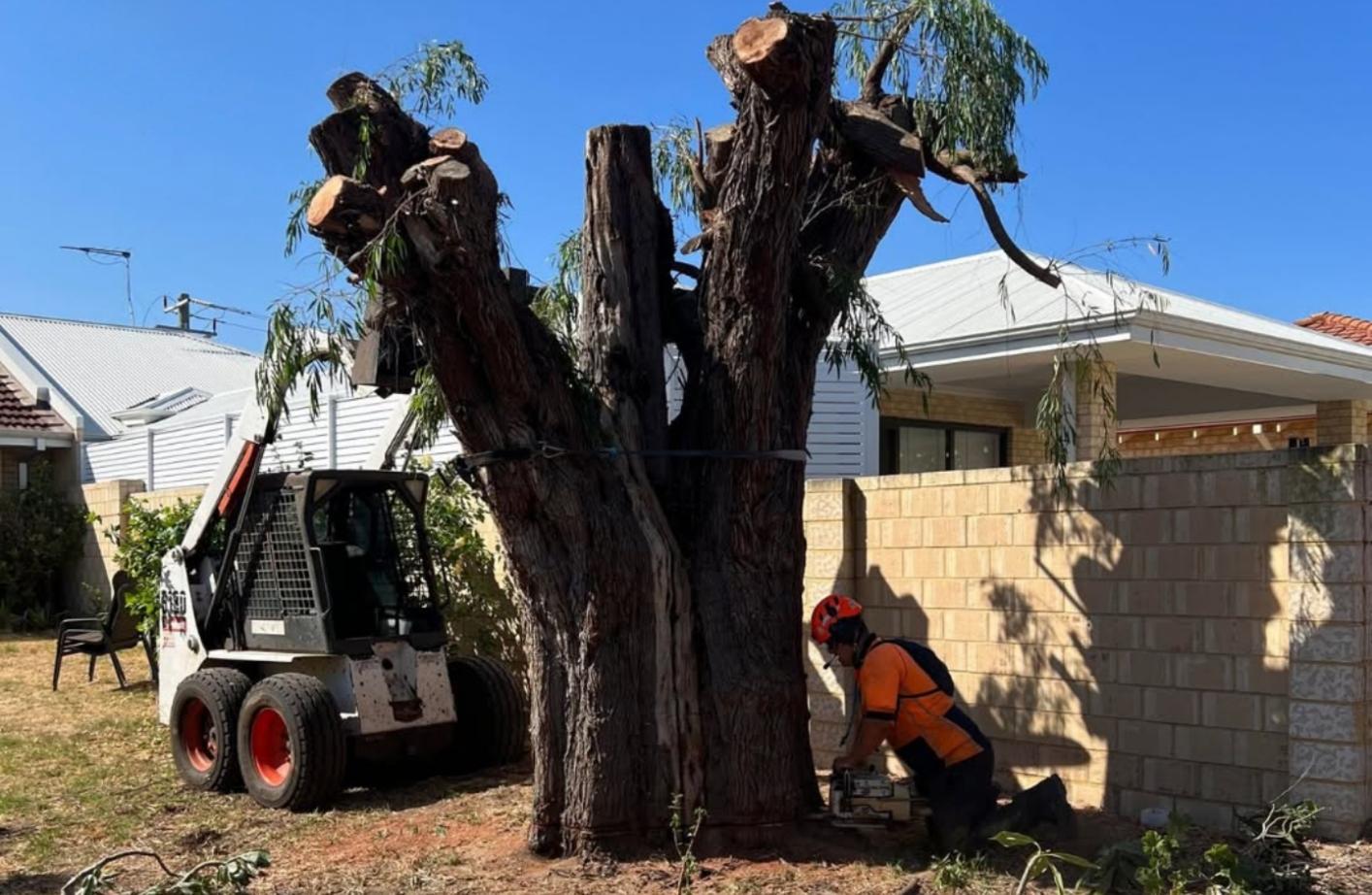
At Pete’s Treeworx, one of the most common questions we receive after completing a tree removal Rockingham project is, “What should we plant now that the tree is gone?”
The answer depends on several factors, including the size of the property, soil conditions, available space, nearby structures, and the reason the original tree was removed. As a business providing local tree services available in Rockingham, we regularly help homeowners choose suitable replacement trees that complement their landscape while reducing the likelihood of future problems.
Replacing a removed tree is often an opportunity to improve the property’s long-term safety, appearance, and environmental value. Whether you’re looking to restore shade, improve privacy, attract wildlife, or enhance street appeal, selecting the right species is an important decision.
Why Replanting After Tree Removal Matters
Many property owners focus on the removal itself but give little thought to what comes next.
Trees provide significant benefits, including:
- Shade and cooling
- Habitat for local wildlife
- Improved streetscape appearance
- Wind protection
- Increased property value
- Carbon storage
- Soil stabilisation
Following a tree removal Rockingham project, planting an appropriate replacement tree can help maintain these benefits while avoiding many of the issues that may have contributed to the original tree’s removal.
Understanding Why the Original Tree Was Removed
Before selecting a replacement tree, we always recommend considering why the previous tree was removed.
Common reasons include:
- Structural defects
- Storm damage
- Disease or decline
- Root intrusion
- Excessive size
- Poor species selection
- Development requirements
Understanding the cause helps prevent the same issue from occurring again.
For example, if a large eucalypt outgrew a suburban block, replacing it with another large-growing species may not be the best long-term solution.
Consider Your Property Type
Rockingham contains a mix of property styles, including:
- Coastal residential homes
- Established suburban blocks
- Semi-rural lifestyle properties
- New housing developments
- Acreage properties
Each property type requires a different approach to tree selection.
A tree suitable for a large rural block may be completely inappropriate for a smaller suburban property with limited growing space.
At Pete’s Treeworx, we often assess available space, proximity to buildings, overhead services, driveways, fences, and underground infrastructure before recommending replacement planting options.
Choosing Trees Suitable for Rockingham Conditions
The City of Rockingham experiences coastal influences, sandy soils, summer heat, and seasonal storms.
These local conditions should always be considered when selecting replacement trees.
Suitable species may include:
WA Peppermint
WA peppermint trees are commonly found throughout the region and provide excellent shade while supporting local wildlife.
Banksia Species
Banksias are well adapted to local conditions and attract birds and pollinators.
Tuart Trees
Where sufficient space exists, tuart trees can provide significant environmental value and are native to the region.
Smaller Ornamental Trees
For suburban blocks, smaller ornamental species may offer shade and visual appeal without creating future space constraints.
The most suitable option will depend on the specific characteristics of the property and intended use of the area.
Improving the Site Before Replanting
A common mistake is planting immediately after tree removal without preparing the site.
The area may contain:
- Remaining roots
- Compacted soil
- Construction debris
- Poor drainage
- Nutrient deficiencies
Taking time to prepare the planting area can significantly improve establishment success.
One often-overlooked resource is the mulch generated during tree removal.
If you’ve recently had a tree removed, our guide on what to do with wood chips after tree removal explains how mulch can improve soil health, conserve moisture, and support successful replacement planting.
Using wood chips correctly can help create a healthier environment for newly established trees.
Matching Tree Size to Available Space
One of the most important lessons we share with clients is to choose a tree that matches the available growing space.
Future tree size should always be considered.
Factors include:
- Mature height
- Canopy spread
- Root development
- Proximity to structures
- Overhead powerlines
Many tree removal Rockingham projects involve trees that were originally planted without adequate consideration of their mature size.
Selecting a species that fits the available space reduces future maintenance requirements and minimises risk.
Planning for Storm Resilience
Storm damage is a common reason for tree removal throughout Rockingham.
Strong winds, heavy rain, and saturated soils can increase the likelihood of branch failure or tree instability.
When selecting a replacement tree, we often recommend considering:
- Wind tolerance
- Structural strength
- Growth habit
- Site exposure
Proper species selection and ongoing maintenance can improve resilience and reduce future storm-related risks.
Replacement Planting Following Large Tree Removal
Large trees often leave a significant gap within the landscape.
When we undertake tree removal for Rockingham properties, clients frequently ask whether they should replace one large tree with another.
The answer depends on the property’s goals.
In some situations, multiple smaller trees may provide better long-term outcomes than a single large specimen. Smaller species can offer shade, habitat, and visual appeal while reducing maintenance demands and future risks.
Considering Council Requirements
Before planting replacement trees, it’s worth considering any local planning or environmental requirements that may apply.
The City of Rockingham values urban canopy cover and environmental sustainability.
While residential replacement planting generally does not require approval, specific circumstances may involve planning considerations, conservation requirements, or development conditions.
Property owners undertaking larger projects should always ensure their plans align with any applicable local regulations.
Frequently Asked Questions
What is the best tree to plant after tree removal?
The best replacement tree depends on the property’s size, soil conditions, available space, and intended purpose. In Rockingham, species such as WA peppermint, banksias, tuarts, and selected ornamental trees are often suitable choices depending on the site.
Should I plant a tree in the same location as the removed tree?
In many cases, yes, but the site may require preparation first. Remaining roots, soil compaction, and nutrient deficiencies can affect establishment. We often recommend assessing the area before replanting.
How long should I wait before planting after tree removal?
The timeframe varies depending on the size of the removed tree and site conditions. Smaller removals may allow immediate replanting, while larger removals may require additional preparation to achieve the best results.
Can I plant a larger tree for instant shade?
While advanced trees can provide quicker results, they often require more intensive watering and establishment care. In many situations, smaller healthy specimens establish more successfully and outperform larger transplanted trees over time.
Do replacement trees need council approval in Rockingham?
Most residential planting projects do not require approval. However, specific developments, environmental areas, or planning conditions may involve additional requirements. Property owners should confirm any obligations that apply to their site.
What should I do with the stump before planting?
If a stump remains after removal, it may need to be ground out before replanting. This creates more usable space and reduces potential interference with the new tree’s root system.
Contact Pete’s Treeworx
Planning large tree removal and wondering what to plant afterwards? Pete’s Treeworx can assist with the removal process and help you choose a suitable replacement tree for your property.
Phone: 0408 315 232
Email: info@petestreeworx.com.au
Address: 754 Pinjarra Road, Furnissdale WA 6209, Australia
Our team provides tree removal, arborist services, tree pruning, and tree management solutions throughout Rockingham and surrounding areas. Whether you’re replacing a storm-damaged tree, improving your landscape, or planning for long-term property safety, we can help you make informed decisions that suit your site, goals, and local conditions.
