

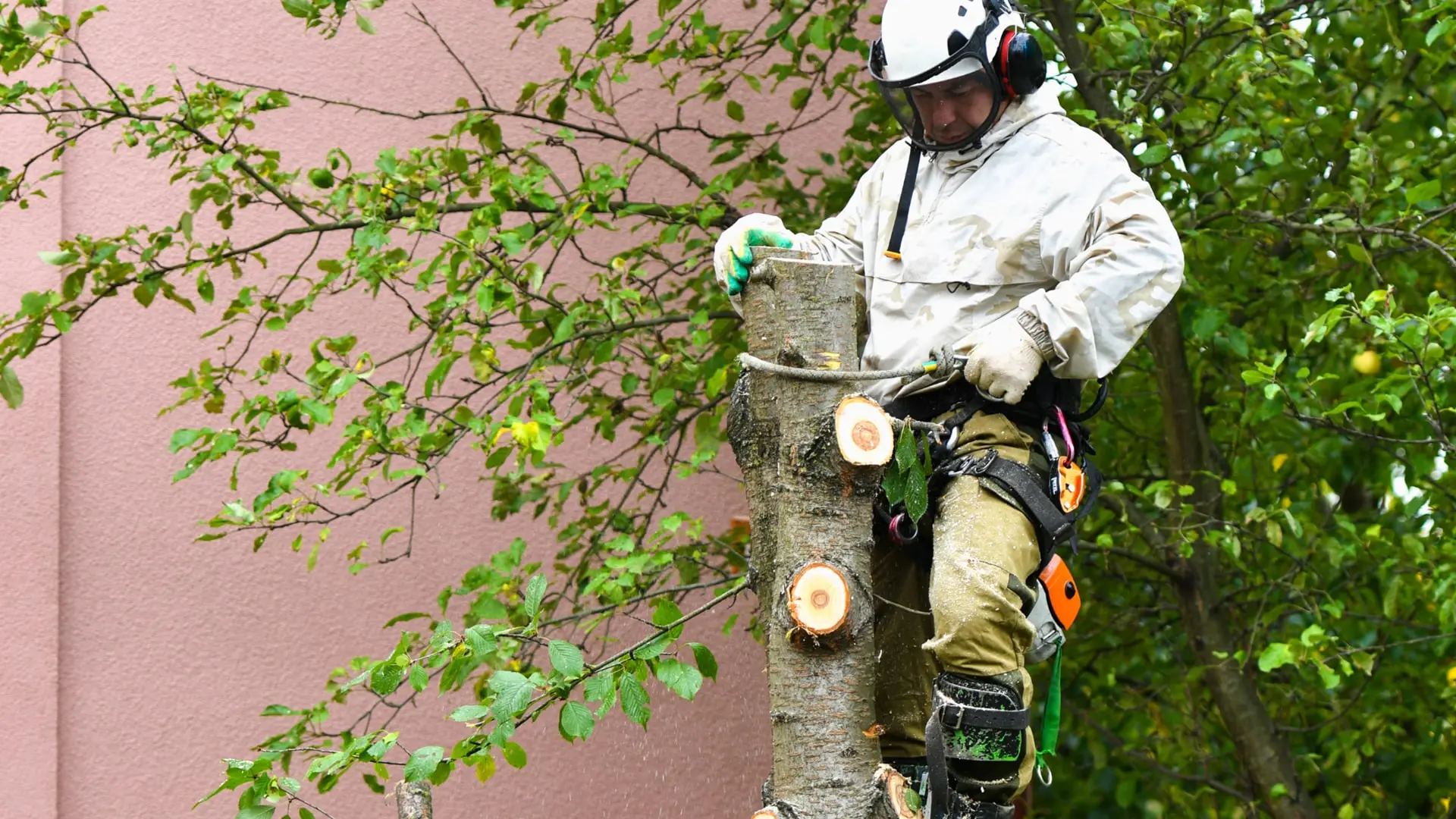
Tree lopping is one of the most misunderstood terms in the tree care industry. While many homeowners in Mandurah use it to describe any kind of trimming, true tree lopping often involves removing large sections of a tree’s canopy or limbs — a practice that can seriously affect the tree’s long-term health if done incorrectly.
At Pete’s Treeworx, we specialise in safe, sustainable tree lopping in Mandurah, following Australian Standards to protect both your trees and your property. Understanding the difference between lopping and professional pruning is key to keeping Mandurah’s urban greenery strong, stable, and thriving.
What Is Tree Lopping and How It Differs from Proper Pruning
Tree lopping refers to the cutting back of large branches or tree tops to reduce size or manage overgrowth. It’s typically used to clear branches away from roofs, powerlines, or driveways. However, lopping often leaves open wounds and unnatural regrowth patterns that can compromise the tree’s structure.
In contrast, tree pruning is a precise, strategic process carried out by qualified arborists. It focuses on removing dead, diseased, or poorly formed branches to improve tree health and shape — not just reduce height. Pruning follows the Australian Standard AS 4373–2007, which sets guidelines for safe and ethical pruning methods.
For most homeowners, pruning is the healthier and more sustainable solution, especially when performed by an experienced arborist in Mandurah who understands local tree species and climate conditions.
Risks and Downsides of Improper Tree Lopping
While lopping may seem like a quick fix for overgrown trees, it can cause long-term problems that outweigh any short-term benefits. Improper lopping can lead to:
- Decay and disease: Large, open cuts expose the tree to fungal infections and decay, especially in humid coastal areas like Mandurah.
- Weak regrowth: Lopped branches often sprout thin, unstable shoots that can snap during strong winds or storms.
- Sunburn and stress: Sudden exposure of inner branches to sunlight can scorch bark and damage living tissue.
- Unbalanced structure: Removing too much of the canopy can destabilise the root system and increase the risk of uprooting.
In some cases, excessive lopping can even lead to premature tree death — something that can be avoided by consulting a professional. If a tree has been over-lopped in the past, our team at Pete’s Treeworx can assess the damage and recommend corrective pruning or, if necessary, tree removal.
Best Practices for Tree Lopping in Mandurah’s Coastal Climate
Mandurah’s coastal climate — characterised by salty air, strong winds, and sandy soils — makes tree care especially important. Trees weakened by poor lopping are more vulnerable to salt spray and storm damage. That’s why following best practices is essential.
- Remove no more than 20–25% of the canopy at a time. Excessive removal can shock the tree and lead to poor regrowth.
- Focus on crown thinning, not topping. Thinning allows light and airflow while preserving the tree’s natural shape.
- Use clean, sharp tools. Jagged cuts invite disease. Our team uses sterilised equipment to prevent cross-contamination between trees.
- Consider Mandurah’s native species. Trees like tuarts, jarrahs, and peppermint trees have different tolerance levels for pruning and lopping. A qualified arborist understands how to handle each species properly.
If you’re unsure how much to remove or whether a tree is safe to lop, it’s best to schedule a tree risk assessment first. This helps identify structural weaknesses and the safest approach to manage overgrowth.
Local Case Studies: Responsible Tree Management in Mandurah
Recently, a client in Halls Head contacted us about a peppermint tree that had grown dangerously close to their roof. Rather than harsh lopping, our arborists performed selective pruning and crown reduction, maintaining the tree’s natural shape while eliminating the risk of property damage.
In another case in Dawesville, a mature tuart tree showing decay was initially lopped by an unqualified contractor, leading to rapid regrowth and instability. Pete’s Treeworx was called in to assess the situation and perform corrective pruning, restoring balance and extending the tree’s lifespan.
These examples show why expert knowledge and proper technique matter. When you work with Pete’s Treeworx, you’re investing in long-term health and safety for both your trees and your property.
When Pruning Is a Better Alternative
In most situations, professional pruning achieves the same goals as lopping — without compromising the tree’s health. Pruning allows controlled growth, improved structure, and reduced risk of branch failure. It’s especially beneficial for native species that are sensitive to overcutting.
Our team often recommends pruning instead of lopping when the goal is to:
- Improve light penetration or airflow through dense canopies.
- Remove diseased or dead branches.
- Prevent limbs from encroaching on structures or powerlines.
- Shape young trees for strong future growth.
Pruning should always be guided by the tree’s biology — not aesthetics alone. That’s why our arborist services in Mandurah include expert advice tailored to your property’s species and soil conditions.
Protect Your Mandurah Property with Professional Tree Care
Tree lopping, when performed correctly and for the right reasons, can be a safe and effective part of property maintenance. But improper lopping can cause more harm than good. Whether you need crown reduction, pruning, or a full health assessment, trust the qualified team at Pete’s Treeworx.
Visit our Mandurah Tree Services Hub to explore our full range of services, including Tree Pruning, Arborist Services, and Tree Removal for residential and commercial properties across the Peel region.
Call Pete’s Treeworx today on 0408 315 232 to schedule your professional consultation and keep your trees healthy, safe, and beautiful — the right way.
