

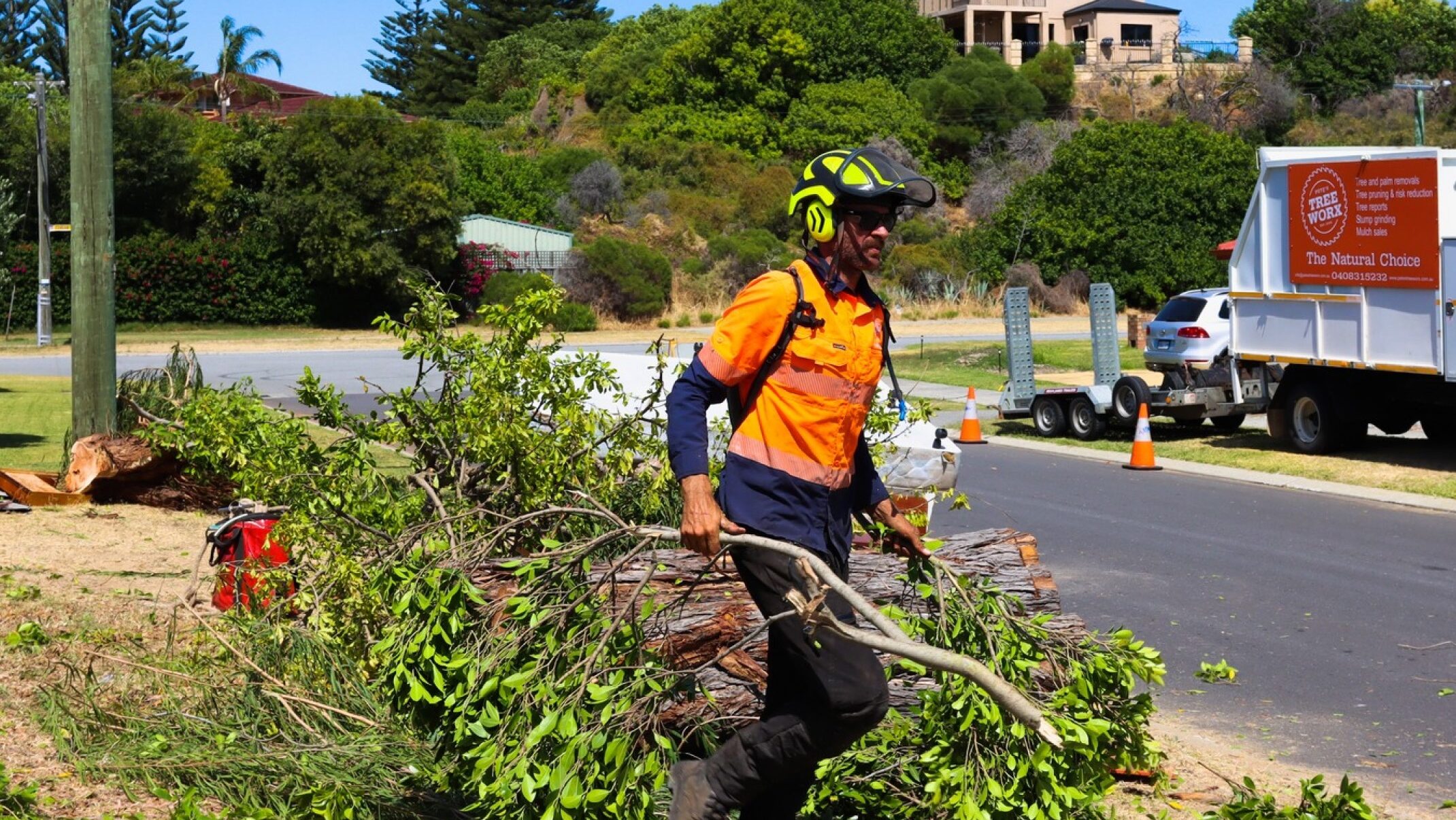
Trees are a valuable asset to any property, but they can become dangerous when their health or structural stability declines. Recognising the warning signs early can help prevent injuries, property damage, and expensive emergency work. A professional arborist Armadale can assess your trees and identify potential hazards before they lead to unexpected failures.
Many hazardous trees show subtle signs of deterioration long before branches fall or the entire tree becomes unstable. Regular inspections give homeowners peace of mind while helping preserve healthy trees wherever possible.
What Is a Hazardous Tree?
A hazardous tree is one that has an increased likelihood of failing and causing damage to people, buildings, vehicles, or surrounding landscapes. The risk may result from disease, decay, storm damage, poor structural growth, or root instability.
Not every tree with visible defects requires removal, but every concern should be professionally assessed. An experienced arborist from Armadale can determine whether maintenance, monitoring, or removal is the most appropriate solution.
Common Causes of Tree Failure
Internal Decay
Decay often develops inside the trunk or major branches before becoming visible externally. As the timber weakens, the tree becomes more susceptible to branch failure or collapse.
Storm Damage
Strong winds and heavy rain can damage branches, split trunks, and weaken root systems. Even if the tree appears stable afterwards, hidden structural damage may remain.
Pest and Disease Problems
Fungal infections, insect infestations, and other diseases gradually weaken a tree’s natural defences, making it more vulnerable to failure over time.
Root Damage
Roots provide the foundation for every tree. Excavation, construction work, soil compaction, drought, and excessive moisture can all reduce stability without obvious symptoms above ground.
Warning Signs You Shouldn’t Ignore
Knowing what to look for allows you to arrange a professional inspection before a minor issue becomes a major safety concern.
- Dead or dying branches throughout the canopy
- Large cracks or splits in the trunk
- Fungal growth around the base of the tree
- A tree that has developed a noticeable lean
- Hollow sections within the trunk
- Roots lifting from the soil
- Branches dropping during mild weather
If you notice one or more of these signs, it’s worth arranging an inspection through our tree specialists before the condition worsens.
How an Arborist Assesses Tree Risk
An arborist looks beyond the obvious signs of damage. Every assessment considers the tree’s species, age, structure, location, growing conditions, and proximity to nearby buildings, roads, and powerlines.
The inspection may include:
- Checking the health of the canopy
- Examining the trunk for decay and structural defects
- Assessing root stability and soil conditions
- Identifying disease or pest activity
- Evaluating the likelihood of branch or whole-tree failure
Where appropriate, professional tree trimming may reduce risk by removing damaged or overextended branches while preserving the tree’s health.
Managing Hazardous Trees
Not every hazardous tree requires immediate removal. Depending on the severity of the problem, an arborist may recommend ongoing monitoring, selective pruning, or other maintenance to improve safety and encourage healthy growth.
However, if the tree has extensive decay, severe structural damage, or poses an unacceptable risk to nearby property, complete tree removal may be the safest long-term solution.
Benefits of Early Arborist Inspections
- Identifies hidden defects before they become dangerous
- Reduces the risk of storm-related tree failure
- Protects homes, vehicles, and outdoor areas
- Supports healthier long-term tree growth
- Allows maintenance to be planned before emergencies occur
- Provides confidence that your trees are being properly managed
Council Requirements and Responsible Tree Management
Some trees in Armadale may be protected by local planning requirements or other regulations. Before carrying out significant pruning or removing a tree, it’s important to determine whether council approval is needed.
A qualified arborist can advise on the condition of your tree, explain any approval requirements that may apply, and recommend the most appropriate management option based on its health and level of risk.
If a hazardous tree cannot be safely retained, complete removal may be followed by professional stump removal to improve safety, prevent regrowth, and restore the area for future use.
Frequently Asked Questions
How often should hazardous trees be inspected?
Trees close to homes, driveways, public areas, or powerlines should be inspected regularly, particularly after severe weather. Mature trees and those showing signs of decline may benefit from more frequent assessments.
Can an arborist detect problems that aren’t visible?
Yes. Arborists are trained to recognise subtle signs of decay, structural weakness, root problems, and disease that may not be obvious to homeowners during a visual inspection.
Does every hazardous tree need to be removed?
No. Some trees can be managed through pruning, monitoring, or other maintenance. Removal is generally recommended only when the tree presents an unacceptable level of risk or cannot be safely preserved.
Can tree lopping make a hazardous tree safe?
In some situations, professional tree lopping may reduce weight on selected limbs or improve clearance. However, if the tree is structurally unsound, complete removal may be the safer recommendation.
Contact Pete’s Treeworx for Arborist Services in Armadale
If you’re concerned about the condition of a tree on your property, Pete’s Treeworx provides professional arborist Armadale services to help identify hazards before they become serious problems. We carry out thorough assessments and recommend practical solutions that prioritise both safety and tree health.
Call 08 6149 7959 or email info@petestreeworx.com.au to arrange an arborist inspection and gain peace of mind knowing your trees are being professionally assessed.
